
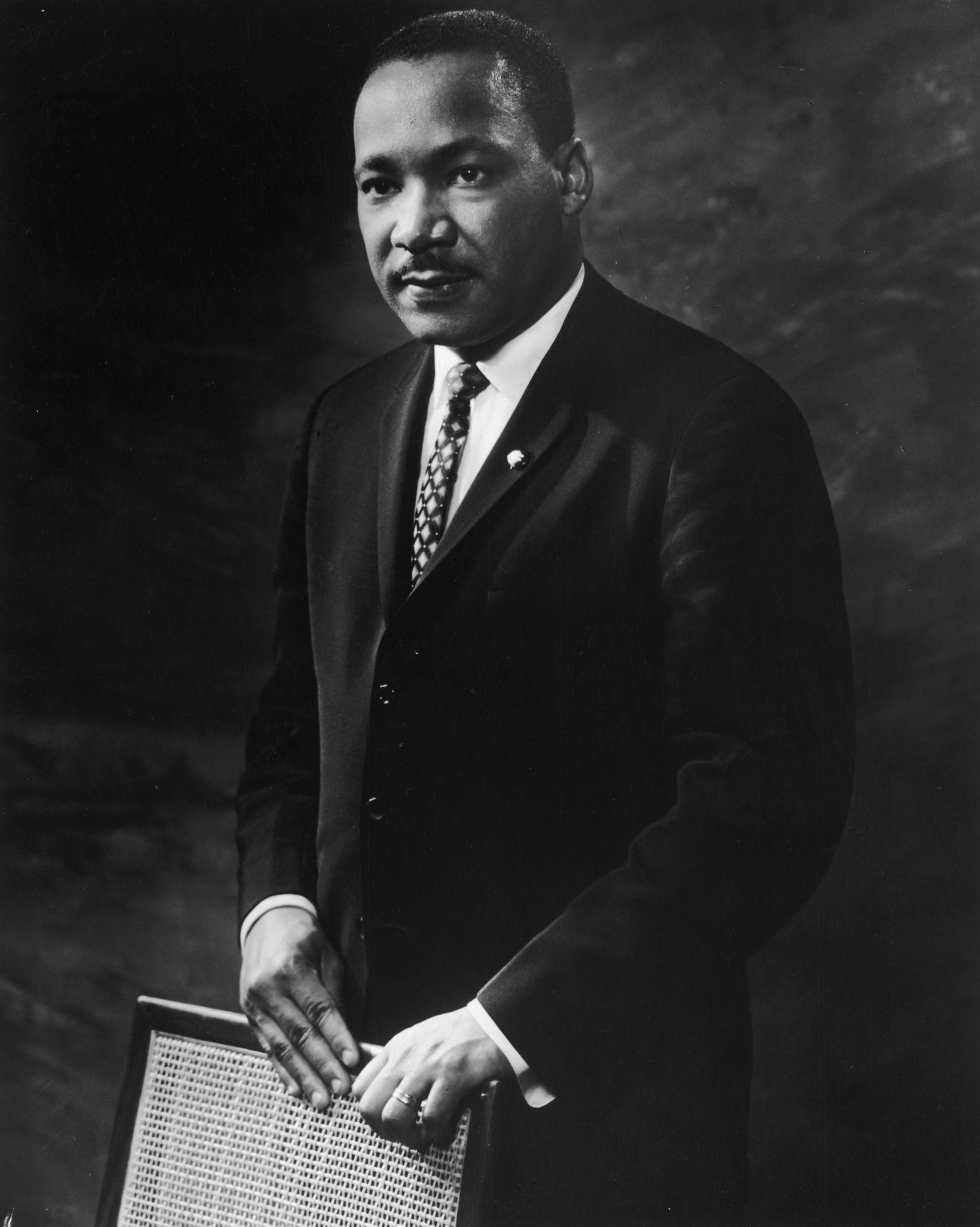
The Martin Luther King biography remains one of the most searched and studied life stories in modern history because it represents courage, moral conviction, and disciplined resistance against injustice. Any serious Martin Luther King biography must go beyond slogans to examine his upbringing, intellectual formation, activism, writings, final years, and enduring influence. This article presents a comprehensive, well-researched Martin Luther King biography, addressing key questions people search for about his early life, age, books, movies, death, and net worth, while maintaining a human tone and historical clarity.
Early Life and Family Background

The Martin Luther King biography begins in Atlanta, Georgia, where Martin Luther King Jr was born on January 15, 1929. He was originally named Michael King Jr., after his father, Michael King Sr., who later changed both their names to Martin Luther in honor of the German Protestant reformer.
Martin Luther King Jr. grew up in a middle-class Black family deeply rooted in the Baptist church. His father served as pastor of Ebenezer Baptist Church, while his mother, Alberta Williams King, was a trained musician and choir director. This religious environment shaped the moral foundation described in every serious Martin Luther King biography.
From an early age, Martin Luther King Jr. encountered racial segregation firsthand. He experienced discrimination in schools, public transportation, and recreational spaces. These early encounters with injustice profoundly influenced the ethical consciousness that later defined the Martin Luther King biography as a story of principled resistance rather than violent rebellion.
Education and Intellectual Formation
A critical phase in the Martin Luther King biography is his academic journey. King entered Morehouse College at the age of 15, an uncommon achievement that demonstrated early intellectual maturity. At Morehouse, he studied sociology and was mentored by Benjamin E. Mays, a theologian who emphasized social justice and moral responsibility.
After graduating from Morehouse, Martin Luther King Jr. attended Crozer Theological Seminary in Pennsylvania, where he excelled academically and was elected president of his class. He later earned a PhD in systematic theology from Boston University. The Martin Luther King biography consistently highlights how his exposure to Christian theology, Gandhian philosophy, and ethical humanism shaped his commitment to nonviolent resistance.
Age and Major Milestones
The Martin Luther King biography is often studied in relation to his age at key historical moments:
- At 26, he led the Montgomery Bus Boycott.
- At 34, he delivered the famous “I Have a Dream” speech.
- At 35, he became the youngest recipient of the Nobel Peace Prize.
- At 39, his life was cut short by assassination.
These milestones reveal how the Martin Luther King biography compresses extraordinary global influence into less than four decades.
Rise as a Civil Rights Leader
The turning point in the Martin Luther King biography occurred in 1955 when Rosa Parks refused to give up her seat on a segregated bus. King emerged as the spokesperson for the Montgomery Bus Boycott, a year-long protest that ended with a Supreme Court ruling against bus segregation.
Following this success, Martin Luther King Jr. co-founded the Southern Christian Leadership Conference (SCLC), which coordinated nonviolent protests across the American South. The Martin Luther King biography records his leadership in Birmingham, Selma, and other cities where peaceful demonstrations exposed the brutality of segregation to the world.
Famous Speeches and Moral Philosophy
No Martin Luther King biography is complete without examining his speeches. His rhetoric combined biblical imagery, constitutional ideals, and moral reasoning. The “I Have a Dream” speech, delivered during the March on Washington in 1963, articulated a vision of racial equality grounded in justice rather than revenge.
Central to the Martin Luther King biography is his philosophy of nonviolence. Influenced by Mahatma Gandhi, King argued that moral force, not physical force, could dismantle oppressive systems. This ethical stance distinguishes the Martin Luther King biography from other revolutionary narratives.
Books Written by Martin Luther King Jr.

The Martin Luther King biography also includes his intellectual legacy through books and essays. Some of his most important works include:
- Stride Toward Freedom – A detailed account of the Montgomery Bus Boycott.
- Letter from Birmingham Jail – A philosophical defense of civil disobedience.
- Strength to Love – Sermons reflecting his theological ethics.
- Where Do We Go from Here: Chaos or Community? – An analysis of racial justice after major civil rights victories.
These writings ensure that the Martin Luther King biography remains not only a historical account but also a moral text studied worldwide.
Movies and Documentaries About Martin Luther King Jr.
Interest in the Martin Luther King biography has expanded through film and television. While King himself is rarely the sole focus due to rights restrictions on his speeches, his presence dominates several productions:
- Selma (2014) portrays the Selma voting rights campaign.
- Numerous documentaries explore the broader civil rights era, using archival footage and eyewitness accounts.
These films keep the Martin Luther King biography accessible to younger generations.
Death and Assassination
One of the most tragic chapters in the Martin Luther King biography is his assassination. On April 4, 1968, Martin Luther King Jr. was shot while standing on the balcony of the Lorraine Motel in Memphis, Tennessee. He was in Memphis supporting striking sanitation workers, reflecting his growing focus on economic justice.
His death sparked riots across American cities and deepened national reflection on racial inequality. The Martin Luther King biography ends not with silence but with a global recommitment to civil rights ideals.
Net Worth and Financial Life
A common search query about the Martin Luther King biography concerns his net worth. Martin Luther King Jr. did not accumulate personal wealth. At the time of his death, his estimated net worth was modest, roughly equivalent to tens of thousands of dollars in today’s value.
This aspect of the Martin Luther King biography reinforces his moral consistency. He lived simply, donated honoraria to civil rights causes, and rejected material accumulation as a measure of success.
Legacy and Global Impact
The enduring relevance of the Martin Luther King biography lies in its ethical message. His advocacy influenced not only American civil rights but also global movements for justice in Africa, Asia, and Europe. Martin Luther King Jr. Day is now a public holiday in the United States, marking his lasting national and international importance.
Conclusion
The Martin Luther King biography is not merely the story of one man; it is a record of moral courage, disciplined activism, and ethical leadership. From his early life in Atlanta to his global influence, from his books to his speeches, and from his tragic death to his lasting legacy, the Martin Luther King biography continues to challenge societies to pursue justice without hatred. His life demonstrates that ethical conviction, when consistently practiced, can reshape history.
Also Read: Tolakunle Churchill Biography: Age, Wife, Son, Business, Career, Origin and Net Worth
Frequently Asked Questions (FAQs)
How old was Martin Luther King Jr. when he died?
Martin Luther King Jr. was 39 years old at the time of his assassination in 1968.
What is the most important book by Martin Luther King Jr.?
Many scholars consider Letter from Birmingham Jail his most influential written work due to its moral and philosophical depth.
Was Martin Luther King Jr. wealthy?
No. The Martin Luther King biography shows that he lived modestly and did not pursue wealth, focusing instead on social justice and equality.